

?Are you considering the Sony Alpha 7 IV Full-frame Mirrorless Interchangeable Lens Camera with 28-70mm Zoom Lens Kit for your next step in photography or videography?

Product Overview
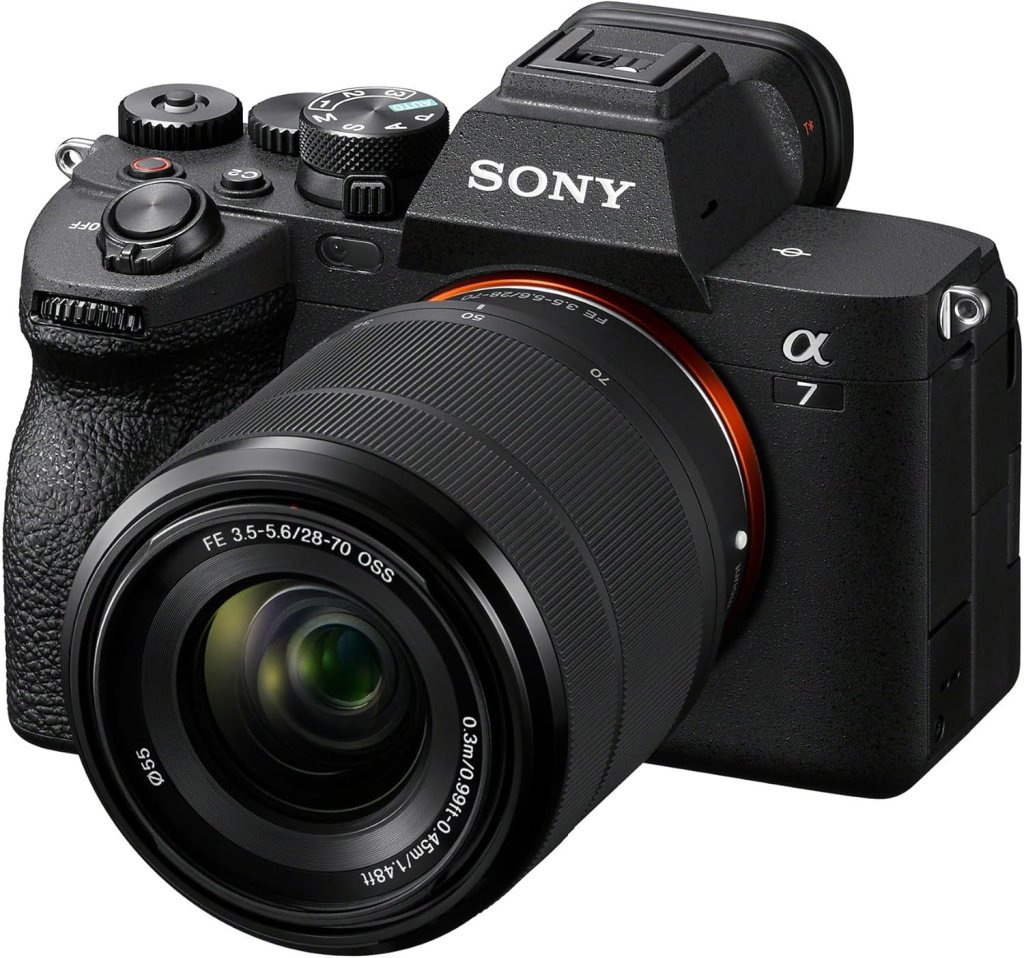
You’re looking at a powerful hybrid camera built to serve both photographers and videographers. The Sony Alpha 7 IV Full-frame Mirrorless Interchangeable Lens Camera with 28-70mm Zoom Lens Kit combines a 33MP full-frame Exmor R back-illuminated CMOS sensor with Sony’s next-generation imaging engine and a versatile starter zoom.
Key Selling Points
You’ll appreciate that this camera balances high-resolution stills and advanced video features in a single body. It’s targeted at creators who want professional-level output without juggling separate cameras for photo and video.
Sensor and Image Processing
You’ll find that the 33MP Exmor R back-illuminated CMOS sensor captures a lot of detail while maintaining strong low-light performance. The back-illuminated design helps you get cleaner images at higher ISOs by improving light-gathering efficiency.
BIONZ XR Image Processor
You’ll notice a significant performance jump thanks to the BIONZ XR engine, which Sony says is eight times more powerful than previous generations. That extra power translates into faster processing, better AF calculations, improved noise reduction, and more responsive menus and UI.
Image Quality and Dynamic Range
You’ll get excellent image quality with ample dynamic range that retains highlight and shadow detail. The 33MP resolution means you can crop more aggressively while keeping useful detail for printing and high-resolution deliverables.
Color Science and S-Cinetone
You’ll benefit from Sony’s S-Cinetone color profile designed to produce pleasing skin tones and cinematic color straight out of the camera. This makes your logs and color grading easier because the base color is already polished.

Video Capabilities
You’ll be impressed by strong video specs that make the camera suitable for run-and-gun shooters and studio work alike. The camera records up to 4K 60p 10-bit 4:2:2 with full pixel readout in all recording formats, giving you high-quality footage and room for color grading.
7K Oversampling for 4K
You’ll get cleaner 4K at 30p because Sony uses 7K oversampling to produce full-frame 4K 30p 10-bit 4:2:2 without pixel binning. That method preserves detail and reduces aliasing, giving you cleaner footage than heavy line-skipping or pixel binning methods.
Autofocus Performance
You’ll find Sony’s autofocus system to be a standout feature, with fast and accurate subject detection across a wide area. The AF benefits from the BIONZ XR processing power and advanced algorithms to track faces, eyes, animals, and vehicles reliably.
Real-time Tracking and Eye AF
You’ll enjoy Real-time Tracking and improved Eye AF that holds focus even when subjects move unpredictably or briefly obscure their faces. This helps you produce consistently sharp images in both photo and video scenarios.
Stabilization
You’ll appreciate the in-body image stabilization (IBIS) that helps compensate for camera shake when shooting handheld. IBIS makes handheld low-light shots and smoother video possible without relying solely on lenses with optical stabilization.
How IBIS Helps You
You’ll see sharper handheld stills and steadier footage at slower shutter speeds because the sensor-shift system corrects for small angular movement. This is especially useful for on-the-go content creation and run-and-gun shoots.

Built-in Features for Creators
You’ll notice a host of features that address real-world creator needs, from color profiles to recording formats and connectivity. The camera’s suite of features makes it adaptable to a range of workflows, whether you stream live, record interviews, or shoot editorial photography.
Profile and Recording Options
You’ll find S-Cinetone, S-Log3, and HLG among the profile choices, which helps you match different workflows and post-production needs. The availability of 10-bit internal recording offers more latitude in color grading than 8-bit, especially when shooting in demanding lighting.
Body, Build, and Ergonomics
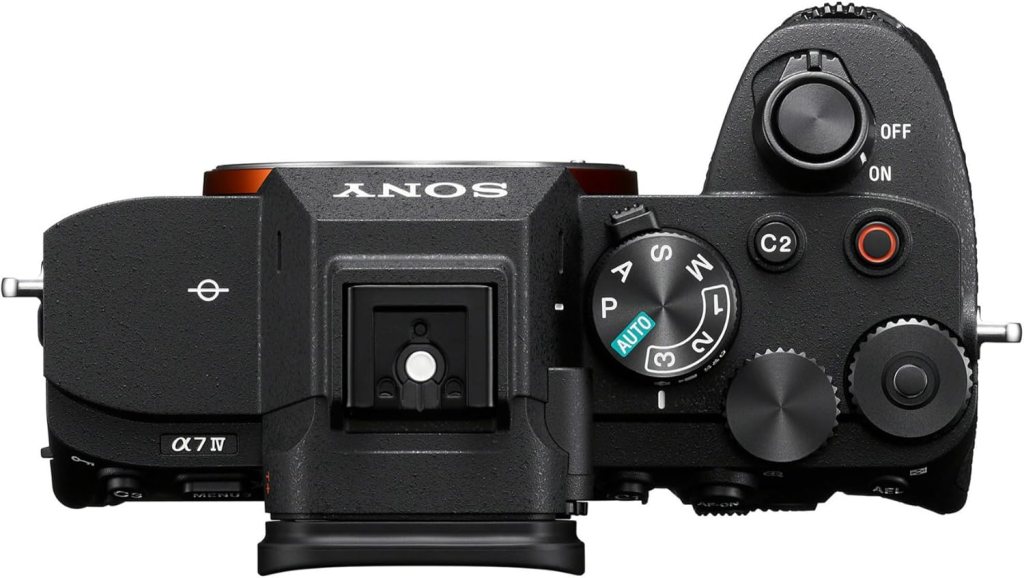
You’ll notice a robust and comfortable body that balances weight and handling for long shoots. The grip is improved for one-handed operation, and the controls are logically placed for quick adjustments while you shoot.
Buttons, Dials, and Customization
You’ll appreciate customizable buttons and a well-laid-out top display that shows key settings at a glance. The camera offers user-configurable custom modes so you can switch quickly between presets for different shooting styles.
Viewfinder and Rear Screen
You’ll find a high-resolution electronic viewfinder (EVF) that presents accurate preview and exposure feedback. The rear LCD is vari-angle, making it easier to shoot low, high, or selfie-style angles for vlogging.
Touchscreen and Articulation
You’ll use touchscreen focus, menu navigation, and touch-to-record functionality, which makes everyday operation smoother. The fully articulating screen also helps you frame dynamic shots and monitor video when you’re in front of or beside the camera.

Lens Kit: 28-70mm Zoom
You’ll get the 28-70mm kit lens, which is versatile for many shooting situations from wide-ish group shots to short telephoto portraits. It’s a convenient starter lens that covers common focal lengths for travel, street, portrait, and event work.
Performance of the 28-70mm Kit Lens
You’ll find the lens adequate for casual and professional uses, with decent sharpness in the center and acceptable performance toward the edges at wider apertures. It remains a practical all-purpose lens, but you might upgrade to specialty glass for critical work or low-light performance.
Low-Light Performance
You’ll be able to shoot comfortably in low-light scenarios thanks to the sensor and processing synergy. ISO performance remains usable at higher settings, giving you flexibility for indoor events, concerts, and evening shoots.
Noise Handling and Detail
You’ll find that noise reduction keeps detail while suppressing chroma noise and grain in many situations. The balance between noise suppression and preservation of detail is one of the strengths of the Exmor R sensor coupled with BIONZ XR processing.
Autofocus in Video
You’ll benefit from smooth, reliable AF in video modes, which reduces hunting and helps create professional-looking footage straight out of camera. Continuous AF makes interviews and handheld sequences simpler because you’re less likely to lose focus when subjects move slightly.
AF Transition and AF Response
You’ll be able to control AF response and transition speed, which is useful for storytelling—slower transitions look cinematic while faster transitions suit run-and-gun shooting. These settings help you tailor AF behavior to the look you want.
Recording Formats and Data Rates
You’ll have flexible recording options, including internal 10-bit 4:2:2 and various compression choices depending on whether you prioritize quality or file size. High-bitrate codecs keep your footage more resilient during color grading and post-production.
External Recording and Outputs
You’ll be able to use external recorders via HDMI for RAW or higher-bitrate workflows, allowing longer record times and more color depth for demanding projects. The presence of full-size HDMI or multi-terminal output options makes it easier to integrate with professional rigs.
Heat Management and Recording Time
You’ll want to be aware of recording limits on heavy video settings, especially if you’re shooting extended sessions in warm environments. Sony has improved thermal handling compared to earlier models, but long high-bitrate recordings can still generate heat that may limit continuous recording duration.
Practical Recommendations for Extended Shoots
You’ll benefit from using external recorders, cooling strategies, or shorter clips when you need to capture long-form content. Planning recording sessions with intervals or file handoffs can help avoid overheating-related interruptions.
Battery Life and Media
You’ll find respectable battery life for a mirrorless hybrid, and the camera accepts Sony’s NP-FZ100 battery which is common across Sony’s higher-end bodies. Dual card slots give you flexibility for backup recording, overflow, or separating stills and video.
Card Types and Recording Options
You’ll want fast, high-capacity CFexpress Type A or UHS-II SD cards for top video modes and high-speed bursts. Using the recommended cards ensures the camera can maintain the highest bitrate and continuous shooting performance.

Connectivity and Streaming
You’ll appreciate built-in Wi-Fi, Bluetooth, and USB-C connectivity for file transfer, remote control, and live streaming. Native streaming support and clean HDMI output let you use the camera for high-quality live content.
Remote Control and Workflow Integration
You’ll be able to tether, remotely control, and manage settings from compatible apps and third-party software. That helps in studio environments or when you want to control camera systems from a distance.
Durability and Weather Sealing
You’ll notice a durable, weather-sealed body that stands up to professional use in a variety of environments. The sealing helps when you shoot outdoors in light rain or dusty conditions, enhancing the camera’s reliability.
Practical Care Tips
You’ll want to keep the camera clean and dry when possible, and use covers or rain gear in severe weather to protect seals and electronics. Routine maintenance, like sensor cleaning and keeping firmware updated, will keep the camera performing well.
User Interface and Menu System
You’ll find a refined menu system with faster responsiveness thanks to the processor upgrade. Custom menus, function buttons, and My Menu allow you to build an interface that suits your workflow.
Learning Curve and Customization
You’ll typically adapt to the menus quickly, but investing time in customizing button assignments pays dividends in fast-paced shoots. Once you’ve set preferred layouts, you’ll move more efficiently between modes and settings.
Comparison with Related Models
You’ll notice that compared to earlier Sony A7 models, the A7 IV trades off slightly higher resolution against the speed of some sports-focused models while gaining a much stronger video feature set. It sits in a sweet spot for hybrid shooters who need a single camera to do both stills and motion well.
How It Stacks Up for Different Use Cases
You’ll prefer the A7 IV over older models if you need modern AF, video recording, and color profiles. You’ll still evaluate higher-resolution bodies for specialized large-format needs or faster-burst cameras for high-frame-rate sports photography.
Who Should Buy This Camera
You’ll want this camera if you’re a content creator who needs a single body for both high-quality stills and professional video. It’s ideal for wedding photographers who shoot video, hybrid journalists, small studio owners, and serious hobbyists stepping toward pro-level work.
Who Might Look Elsewhere
You’ll consider other options if your main priority is either extreme resolution (e.g., A7R series) or ultra-high-speed continuous shooting for sports (e.g., a9 series). You might also choose different ecosystems if lens selection or certain manufacturer-specific features are critical to your workflow.
Pros and Cons
You’ll find many advantages but there are trade-offs. A balanced view helps you decide if the camera aligns with your priorities and budget.
Pros
- You’ll gain high-quality stills and advanced video in one body.
- You’ll enjoy cutting-edge AF and improved processing speed.
- You’ll get versatile connectivity and professional codecs like 10-bit 4:2:2.
- You’ll benefit from IBIS and a flexible vari-angle screen.
Cons
- You’ll sometimes encounter thermal limits during extended high-bitrate recording.
- You’ll want faster glass than the 28-70mm kit for low-light or professional portraits.
- You’ll pay a premium compared to entry-level mirrorless bodies.
Practical Shooting Tips
You’ll get better results quicker by learning a few practical settings and habits. These small tweaks can significantly improve your images and speed up post-production.
Recommended Photo Settings
You’ll set base ISO to the camera’s native value for best detail, use aperture priority for general shooting, and switch to shutter priority or manual when you need tighter control. Bracketing and shooting RAW will help with difficult lighting and extended dynamic range needs.
Recommended Video Settings
You’ll choose 4K 60p 10-bit 4:2:2 for smooth high-quality footage when you need it, and 4K 30p with 7K oversampling when you want maximum detail. Using S-Log3 gives you grading latitude, but S-Cinetone saves time if you need ready-to-use color.
Accessories You Should Consider
You’ll want to build a kit that complements the camera, from lenses to audio and stabilization gear. The right accessories will boost your creative possibilities and solve typical practical issues.
Must-Have Additions
- You’ll invest in a fast prime or professional zoom for low-light and portrait work.
- You’ll add a good microphone or recorder for clear audio in video shoots.
- You’ll consider spare batteries and fast CFexpress or UHS-II SD cards for reliable recording.
Sample Use Cases
You’ll see how the camera performs across common creative scenarios. These examples help decide if it matches the work you plan to do.
Wedding and Event Photography
You’ll appreciate the AF, IBIS, and full-frame image quality for capturing emotion and detail in mixed lighting. The camera’s video strengths mean you can deliver both photo galleries and highlight films from the same body.
Travel and Street Photography
You’ll benefit from the versatile focal length of the 28-70mm and the compactness relative to DSLRs. The image stabilization and high-ISO performance are useful when you’re shooting handheld in varying light.
Content Creation and Vlogging
You’ll love the vari-angle screen, good AF, and quality internal video codecs for creating polished vlogs and live streams. The camera’s connectivity options and clean HDMI output also make it a practical choice for livestream production.
Firmware and Futureproofing
You’ll want to keep firmware updated as Sony frequently refines performance and adds features. Firmware updates can improve AF, compatibility, and introduce workflow improvements that extend the camera’s life.
Investment Value
You’ll find that the A7 IV offers a good return on investment if you plan to grow as a creator because its hybrid strengths keep it relevant across trends in both photography and video. The model sits in a strong middle ground that remains useful across multiple content demands.
Final Recommendation
You’ll find the Sony Alpha 7 IV Full-frame Mirrorless Interchangeable Lens Camera with 28-70mm Zoom Lens Kit to be a versatile, modern camera that suits a wide range of creative needs. If you want one camera to handle serious stills and professional video without compromising too much in either domain, this is a compelling option.
Quick Summary Table of Key Specs
You’ll find the following table helpful for a quick reference to the camera’s major specifications and features.
| Category | Specification |
|---|---|
| Sensor | 33MP full-frame Exmor R back-illuminated CMOS |
| Processor | BIONZ XR (next-generation, 8x more powerful) |
| Still Resolution | ~33 megapixels |
| Video | Up to 4K 60p 10-bit 4:2:2 (full pixel readout); 7K oversampling for 4K 30p 10-bit 4:2:2 (no pixel binning) |
| Color | S-Cinetone, S-Log3, HLG |
| Stabilization | In-body image stabilization (IBIS) |
| Autofocus | Advanced Real-time Tracking, Eye AF (human, animal, vehicle) |
| Viewfinder | High-resolution electronic viewfinder |
| LCD | Vari-angle touchscreen |
| Card Slots | Dual slots (UHS-II SD / CFexpress Type A compatible depending on region/setup) |
| Battery | NP-FZ100 |
| Connectivity | Wi-Fi, Bluetooth, USB-C, HDMI |
| Lens Kit | 28-70mm zoom included |
| Durability | Weather-sealed body |
You’ll have everything you need to evaluate whether the Sony Alpha 7 IV fits your creative goals, and you’ll be prepared to select lenses and accessories that match your preferred shooting style.

Disclosure: As an Amazon Associate, I earn from qualifying purchases.